Advocating for child and family wellbeing.
Elevating the voices of consumers to affect social change
Advocating for safe and nurturing environments for children, young people and families.
Creating safe, stable, and nurturing environments for children and young people ensures they have the foundations to thrive – now, and into the future. Australian families are currently facing complex challenges that mean not every child has the same opportunities, and not every family has access to the support that they need.
Why’s this important?
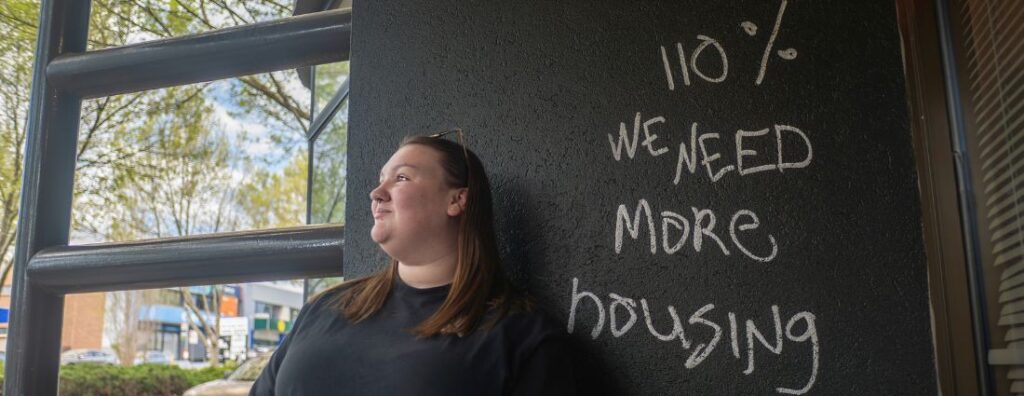
Not every child in Australia receives the same start in life. Australian families are currently facing a multitude of challenges, including financial stress, housing affordability, and the rising cost of living. One in six children are living in poverty, according to the Australian Council of Social Services, and nearly 29,000 experienced homelessness on one particular night in 2021.
Domestic and family violence also remains a pervasive issue. In 2022, over 2.2 million Australians (1 in 4 women and 1 in 14 men) reported experiencing domestic or family violence since the age of 15. For children and young people who witness violence at home, there can be lasting impacts on mental health, learning, relationships and sense of safety – 13% of adults in 2022 had witnessed partner violence against a parent before the age of 15.
We also know young people don’t always have the supports they need when transitioning into adulthood. Young people leaving out-of-home care, in particular, can be at greater risk of homelessness, mental health issues, unemployment, and contact with the criminal justice system.
When we provide early support to families, we build resilience through stronger relationships, safer homes, and better outcomes for children and young people. By supporting families to thrive, we give children and young people the best chance to do the same.
Advocacy research & news
Too Critical to Fail: The Precarity of Emergency Relief Services.
Workforce is the key to building child-safe environments.
Uniting calls on Federal Government to raise the rate.
Better practice in responding to family violence.
2024-25 Victorian State Budget response.
Our statement on January 26.


Frequently Asked Questions (FAQs)
What do you mean by “resilient families and young people”?
Resilient families and young people have the support they need to stay safe, be connected, and build a strong foundation for their future. It’s about individuals and families having access to the right help at the right time, and being set-up with the tools, resources and environments needed to thrive.
Why is early support so important?
The sooner families can access support, the better the outcomes – for children, for parents, and for the community. Early support can prevent issues from escalating and reduce the need for more intensive interventions further down the track.
What can be done to support more families and young people?
We need to see real investment in the foundations that support families and young people to thrive. This includes:
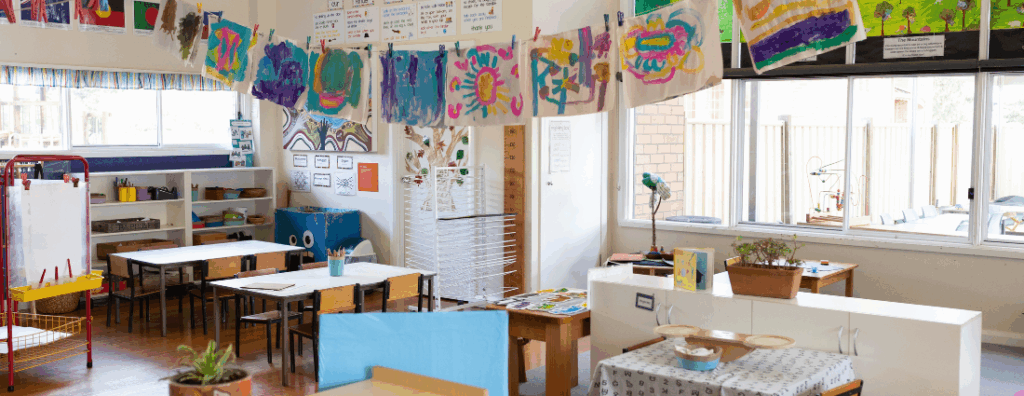
- Easily accessible, affordable, and high-quality early learning services for everyone. All families – regardless of income, location, or circumstances – should be able to access early learning and care that sets children up for success and support parents to participate in work or study.
- Greater investment in early intervention and prevention services. Services that offer support early on can prevent situations from escalating, mitigate negative impacts on mental health and wellbeing, and keep families together safely.
- Stronger supports for young people transitioning from out-of-home care. Young people need housing, income support, education, employment pathways, and strong relationships they can rely on.
- Policies that reflect the diversity of Australian families. Australian families come in many different shapes and sizes. Whether it’s single parents, blended households, or extended kinship networks, our systems and policies must be compatible with many different types of families.