Advocating for financial wellbeing.
Elevating the voices of consumers to affect social change
Everyone should have access to sufficient financial and material needs.
Across Victoria and Tasmania, too many people are going without the essentials – which has been exacerbated in recent years due to the cost-of-living crisis when wages and income support haven’t kept up, leading to more and more people experiencing financial stress and hardship.
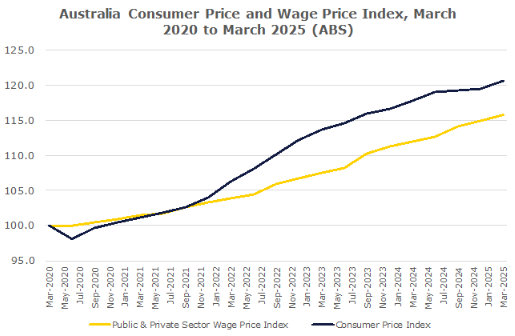
The costs of living, measured by the Consumer Price Index, has increased by a total of 19.3% between March 2020 and March 2025. In comparison, the Wage Price Index by a total of 14.1% over the same period (ABS, 2025).
Why's this important?
When people can’t afford the necessities, they’re forced to make impossible choices. That can be the choice between homelessness or staying in a violent environment, between paying for a child’s medication or the rent, between heating or keeping the lights on.
Nobody should be needing to make those choices. Nearly 13% of Victorians and 21% of Tasmanians are living in poverty and navigating these daily trade-offs. Not having enough to cover the basics causes significant stress and impacts a person’s health, education, employment, relationships, wellbeing and future opportunities.
When people have access to secure and adequate income, affordable essentials, and the right support at the right time, they can fully participate in their communities and build the kind of life they want.
This contributes to an inclusive, connected and just future for all.
Advocacy research & news
Too Critical to Fail: The Precarity of Emergency Relief Services.
Uniting calls on Federal Government to raise the rate.
2024-25 Victorian State Budget response.
Bronwyn Pike launches national homelessness magazine in Hobart.
Anti-Poverty Weeks 2023 wrap-up.


Frequently Asked Questions (FAQs)
What do you mean by financial wellbeing?
Financial wellbeing is more than just being able to afford the essentials – it means everyone has the same opportunities to live in safety, stability and dignity. This includes everyone having a secure and adequate income, appropriate and safe housing, and the opportunity to participate fully in community life.
How is poverty defined?
Poverty is a relative term that can be measured in different ways. At its core, it means not having enough resources to meet basic needs like food, housing, energy and healthcare. This often forces people into making impossible choices about what to prioritise.
The Australian Council of Social Services’ Poverty in Australia 2025 report uses a poverty measure of 50% of median household after-tax income (minus housing costs). Using data from 2022-23, this report identifies:
- The poverty line is $584 a week for a single adult and $1,226 a week for couple with two children
- More than one in seven people in Australia (14.2%) live below this poverty line. That amounts to 3,7,06.000 people in Australia
- One in six children (15.6%) live in poverty in Australia. That amounts to 757,000 children.
What causes poverty?
Poverty is often intergenerational and driven by existing inequalities in Australian society. Many people experiencing poverty are already working, studying, caring for others, or unable to work due to illness or disability.
Some of the key causes of poverty include:
- Not having enough income: Income support rates are well below the poverty line and do not cover people’s basic needs. Similarly, lower wages are not always enough to meet a household’s expenses. Although real increases to social security payments were introduced in 2023, there remains a gap between the payments and poverty line.1 In September 2023, maximum Youth Allowance payments for a person living away from home were $279 per week below the poverty line, Jobseeker for a single person was $205 per week below the poverty link, and Family Tax Benefits for a couple with two school age children were $299 below the line
- The rising cost of living: Essentials such as food, energy, and housing are getting more expensive, while wages and income support are not keeping up. The costs of living, measured by the Consumer Price Index, has increased by a total of 19.3% between March 2020 and March 2025. In comparison, the Wage Price Index by a total of 14.1% over the same period (ABS, 2025)
- Unequal access to work opportunities, education, healthcare and services: Women experience higher levels of poverty, (Australian Government, 2025) with the gender gap in poverty driven by patterns of work and care; women are over-represented in part-time, low-paid and insecure jobs. Women tend to study or train in areas that attract debt or require unpaid placement to qualify, including the care economy. Women are also more likely to take on family caring responsibilities. A relationship breakdown or experience of violence can worsen economic insecurity. Economic inequity can lead to an inability to escape and recover from violence and contribute to housing insecurity. Lower lifetime contributions to superannuation results in less financial security in retirement.
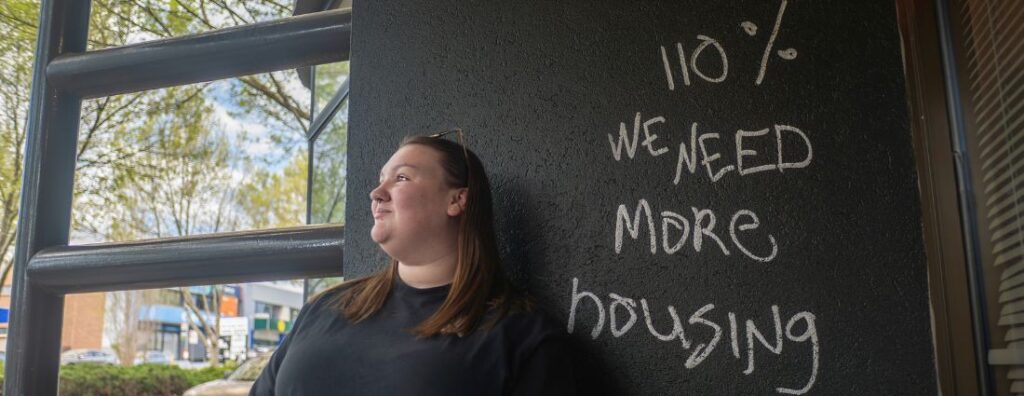
- Lack of affordable housing: Underinvestment in housing has led to a critical shortage of safe, secure and affordable homes across Australia. An affordable rent is one which costs less than 30 per cent of a household’s income. Anglicare Victoria’s 2025 Rental Affordability Snapshot found less than 1% of individual properties available for rent in Victoria in March 2025 were affordable for people living on income support payments, while 24% of individual properties were affordable for people living on minimum wage.
What change is needed to improve financial wellbeing?
Uniting is calling for action that will make a real difference now and for future generations, including:
- Lifting income support rates above the poverty line. This will ensure everyone has enough to live in safety and security and can meet their basic needs
- More options for people who have reduced capacity to work. Not everyone can participate in paid, fulltime employment. Income support payments must reflect people’s realities
- Fairer wages and equal opportunities. Everyone deserves the chance to lead a life where they can thrive – no matter where they live, what circumstances they were born into, or what barriers they face.